

Quick Guide
“Raise your vibration” is a phrase for feeling better: lighter, clearer, more energetic, less reactive. Nothing vibrates, and there is no frequency to measure, but the advice that travels under the phrase is mostly sound, because it is the ordinary advice about sleep, food, movement, people, gratitude and clutter that has always worked. This guide keeps the good advice, sorts it into habits you can actually do, and does the one thing the old version did not: it says what the “signs of low vibration” actually are, so that persistent tiredness, mood swings, insomnia and headaches get taken to a doctor rather than treated with positive thinking.
The earlier article said the earth’s “vibrational frequency” rises and falls with world events, that negative people lower yours, and that the remedy is a long list beginning with “being in control of your body”. The list was decent. The frame turned a set of symptoms that sometimes need attention into a matter of energy, and it is that part that needs replacing.
What the phrase is pointing at
People who say their vibration is high mean they feel well: rested, engaged, warm towards others, able to let small things go. People who say it is low mean the opposite: flat, irritable, tired, foggy, thin-skinned. Those states are real and they have ordinary causes, most of which are on the list below. The vocabulary of frequency is borrowed from physics to make the states sound like something that could be tuned; the useful part is the recognition that how you feel is not fixed and responds to what you do. How Reiki works makes the same move for the energy language in Reiki.
The “signs”, and what they usually are
| Sign listed as “low vibration” | What it usually is | When it needs a doctor |
|---|---|---|
| Strong mood swings | Stress, sleep loss, hormonal changes, or a mood condition | If they are marked, lasting weeks, or affecting work and relationships |
| Being overly tired | Sleep debt, overwork, low iron, thyroid, low mood, many others | If rest does not fix it within a couple of weeks |
| Not being able to pay attention | Sleep loss, stress, too many inputs, sometimes ADHD or depression | If it is new, persistent, or affecting safety at work or driving |
| Stress and anxiety | Stress and anxiety | If anxiety is constant, brings panic, or stops you doing things |
| Headaches or other pain | Tension, dehydration, screens, posture, or a condition | Always, if new, severe, or different from your usual pattern |
| Unable to sleep | Stress, caffeine, screens, irregular hours, or a sleep disorder | If it lasts more than three weeks or leaves you exhausted by day |
None of these is a sign of anything energetic. Each is a message from a body under load, and the right response to a message is to read it. The habits below address the ordinary causes; the right-hand column is for when they do not.
Twelve habits that actually change how you feel
- Sleep at regular times. Same bedtime and waking time within an hour, most days. This one habit does more for mood, attention and irritability than everything else on the list combined.
- Eat regularly and mostly plants. The old article’s “eat healthy foods” in practical form: three meals, vegetables at two of them, water through the day, less alcohol than you think.
- Move outside, daily. Twenty minutes of walking in daylight. Exercise and daylight both have strong evidence for mood, and doing them together is efficient.
- Choose your company. The old article was right that who you spend time with matters. Spend more time with people who leave you steadier and less with people who leave you drained. That is not energy; it is arithmetic.
- Leave situations that reliably make you worse. A job, a group chat, a weekly obligation. Not every draining thing can be dropped; some can, and people forget to check.
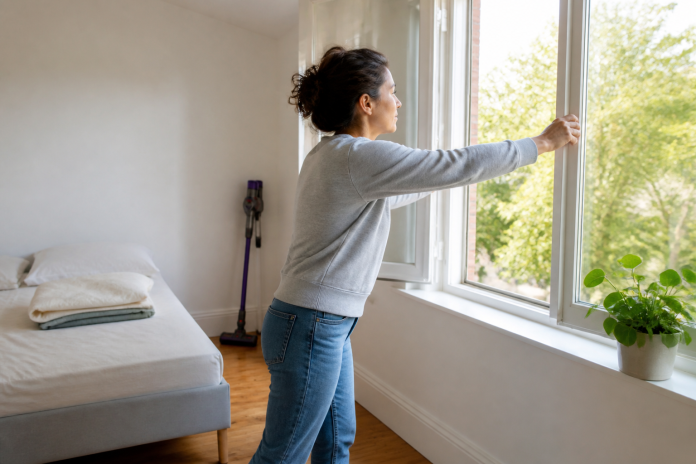
- Clear the surfaces you look at. Visual clutter costs attention. Ten minutes on the desk and the bedside table returns more than it takes. Clearing a room gives the full reset.
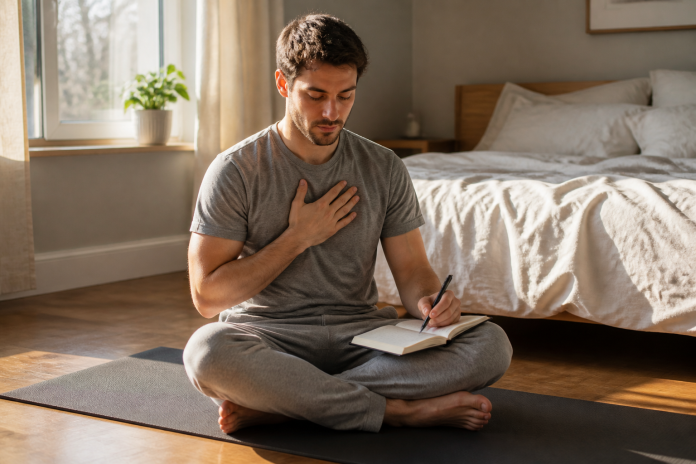
- Say the hidden thing. “Get rid of emotions that are hidden” in the old list means: the resentment you have not voiced, the worry you have not said aloud. Say it to the person, or to a friend, or to a page. Carrying it is tiring.
- Ground yourself in ordinary ways. Cold water on the wrists, feet on the floor, a proper meal, a task with an end. This is what the word means once the mysticism is removed.
- Laugh, deliberately. The old article had this right. Watch something funny, see the friend who makes you laugh, spend ten minutes with a dog or a small child. Laughter is one of the fastest state changes available.
- Note three specific things you are grateful for, a few times a week. Specific is the key; “the neighbour took the bin in” beats “my life”. The five precepts build this in.
- Slow down before you act. One breath between the trigger and the reply. The old article called this staying calm; a Reiki practitioner would call it the first precept.
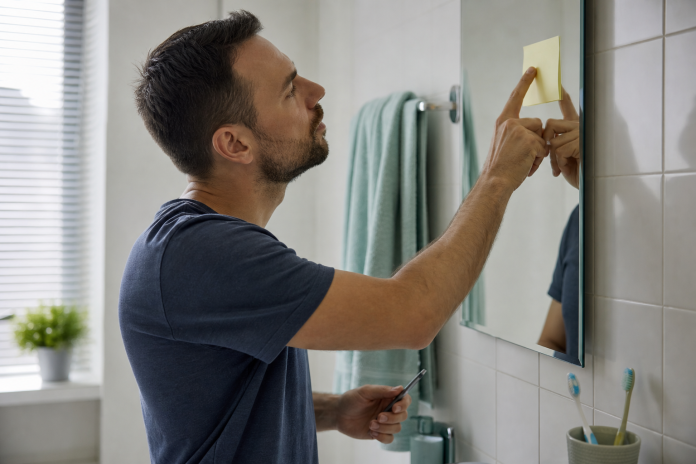
- Speak to yourself as you would to a friend. “Say positive things to yourself” backfires when the things are not true; affirmations that actually work explains what to say instead.
What is missing from the old list. Nothing on it involved other people’s help, and some of the states it described need exactly that. If low mood, anxiety, exhaustion or sleeplessness have lasted weeks and the habits are not shifting them, the next habit is a doctor’s appointment. The NCCIH’s guidance on relaxation techniques says the same about every practice on this site: helpful, generally safe, and never a substitute for care.
About “negative people” and boundaries
The old article compared boundaries to locking your doors, which is a good image. What it got wrong was the mechanism: other people do not lower your frequency; they take your time, attention and patience, and some take far more than they give. The boundary is not a shield against energy but a limit on what you will do: how many times you will listen to the same complaint, whether you will lend money, when you stop answering messages at night. How to protect your aura gives six such limits, and being an empath covers why sensitive people find them hardest to hold.
Key Takeaways
- “Raising your vibration” means feeling better; nothing vibrates, and the advice under the phrase is ordinary wellbeing advice that works.
- The “signs of low vibration” are symptoms of a body under load, and persistent ones belong with a doctor.
- Regular sleep, regular meals, daily movement outside and chosen company do most of the work.
- Clear surfaces, say the hidden thing, laugh on purpose, note specific gratitude, and take one breath before acting.
- Boundaries are limits on what you will do, not shields against energy.
Related reading
- The five Reiki precepts as a daily practice
- How to protect your aura: six habits that actually protect you
- Clearing negative energy from a room: what really works
- Affirmations that actually work
- Mind-body approaches in therapy: evidence and safety
Frequently Asked Questions
1. What does raising your vibration mean?
Feeling better: rested, clear, warm towards others, less reactive. Nothing physically vibrates; the phrase describes a state, and the state responds to habits.
2. Is vibrational frequency real?
Not as a property of people or moods. The vocabulary is borrowed from physics. The states people describe with it are real and have ordinary causes.
3. What are the signs of low vibration?
The usual list is mood swings, tiredness, poor attention, anxiety, headaches and insomnia. These are symptoms of a body under load, not of energy.
4. When should those signs go to a doctor?
When they last weeks, do not shift with rest and routine, or affect work, relationships or safety. New or severe headaches always.
5. What single habit helps most?
Regular sleep and waking times, most days. It does more for mood and attention than everything else combined.
6. Do negative people lower my vibration?
They take time, attention and patience, and some take more than they give. Limit what you will do for them; that is what a boundary is.
7. Does clutter affect how I feel?
Yes. Visual clutter costs attention. Clearing the surfaces you look at most returns more than it takes.
8. What does grounding mean in practice?
Contact with ordinary things: cold water on the wrists, feet on the floor, a proper meal, a task with a clear end.
9. Does gratitude practice work?
Noting a few specific things a few times a week has modest support for mood. Specific is the key; general gratitude does little.
10. Does positive thinking raise vibration?
Saying true, kind things to yourself helps. Repeating flattering claims you do not believe tends to backfire.
11. Can Reiki raise my vibration?
A quiet twenty minutes with hands on the body is restful and can be part of a daily routine. It changes how you feel through rest, not frequency.
12. Does the earth’s vibration go up and down with world events?
No. The news affects your mood, which is a reason to limit how much of it you take in, not a planetary frequency.
13. Is it selfish to prioritise how I feel?
No. The old article was right about that. A rested, steady person is better for everyone around them.
14. How quickly can I feel different?
A walk outside and a laugh change the next hour. Regular sleep changes the week. Company and boundaries change the year.
15. What is missing from most raise-your-vibration lists?
Other people’s help. If the habits are not shifting low mood, anxiety or exhaustion after a few weeks, the next habit is a doctor’s appointment.
Final thoughts
Raising your vibration, once the physics is put back where it belongs, means sleeping at regular hours, eating and moving, choosing your company, clearing your desk, saying the hidden thing, laughing on purpose and taking one breath before you act. That list has always worked and it does not need a frequency to explain it. The one addition is the doctor’s appointment for the symptoms that do not shift, and that addition is the most important line on the page.
Statements about relaxation practices checked against the NCCIH guidance on 26 September 2026. Nothing here replaces medical advice.