Home Blog Page 4

Intuition Exercises Worth Keeping: Three That Include Feedback, in Brief

Developing Your Intuition with Exercises

Short answer

Intuition is fast pattern recognition built from experience, and it develops the way any judgement develops: by making calls, finding out whether they were right, and adjusting. The old version of this page listed a dozen exercises, most of which asked you to imagine, ask your intuition about the future, and “receive”; those build the feeling of intuition, not its accuracy. Three of them are worth keeping because they include feedback, and they are below. The full account of what intuition is, when it is reliable, and how to develop it honestly is in one place.

Read the full guide

The four clairs as ways intuition arrives, what psychology knows about when hunches are reliable, and an honest programme built on a hunch log and feedback.

Intuition and the Four Clairs: How to Develop Them Honestly

Three exercises worth keeping

  • The hunch journal. Write each impression down before you know the outcome, then record what happened. After three months, check the hit rate by category. This is the exercise; everything else is warm-up.
  • The dream note. Pen and paper by the bed, write what you remember on waking. Dreams do not predict anything, but they are a good record of what is on your mind, and reviewing a month of them often shows a worry or wish you had not admitted to.
  • Ask, then wait. Sit quietly with a real question, breathe slowly for two minutes, and notice the first answer that arrives calm rather than urgent. Then, and this is the part the old version left out, go and check it against the facts before acting. Gassho breathing is a good way to do the sitting.

The exercises that ask you to drive somewhere on a hunch, hear songs in your head, or ask your intuition about the future can be enjoyed as games; they add nothing to accuracy, and Zener cards will show you why.

Reiki for Beginners: First Steps, Choosing a Level 1 Course and Honest Expectations

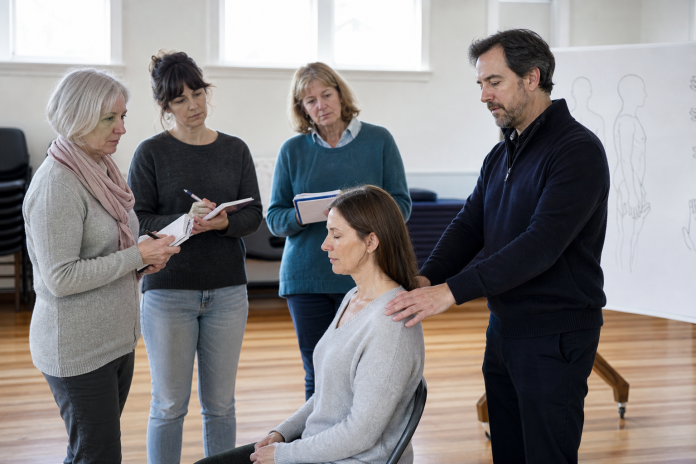
Small Reiki Level 1 class in a community hall, teacher demonstrating a hand position on a seated volunteer while three students watch

Quick Guide

If you are new to Reiki, you have three sensible first steps: read enough to know what it is and is not, try a quiet self-practice at home for a couple of weeks, and only then decide whether a Level 1 course is worth the money. This guide covers all three, plus how to choose a teacher, what the first month of practice looks like, and the small set of expectations that keep Reiki honest and safe.

Beginners’ guides to Reiki tend to start with visualisations of white light and instructions for “channelling” energy into other people. That puts the cart before the horse. Before you send anything anywhere, it helps to know what Reiki actually involves, what it can reasonably offer, and whether you enjoy the simple act at the centre of it: sitting still with light hands.

Step one: know what you are getting into

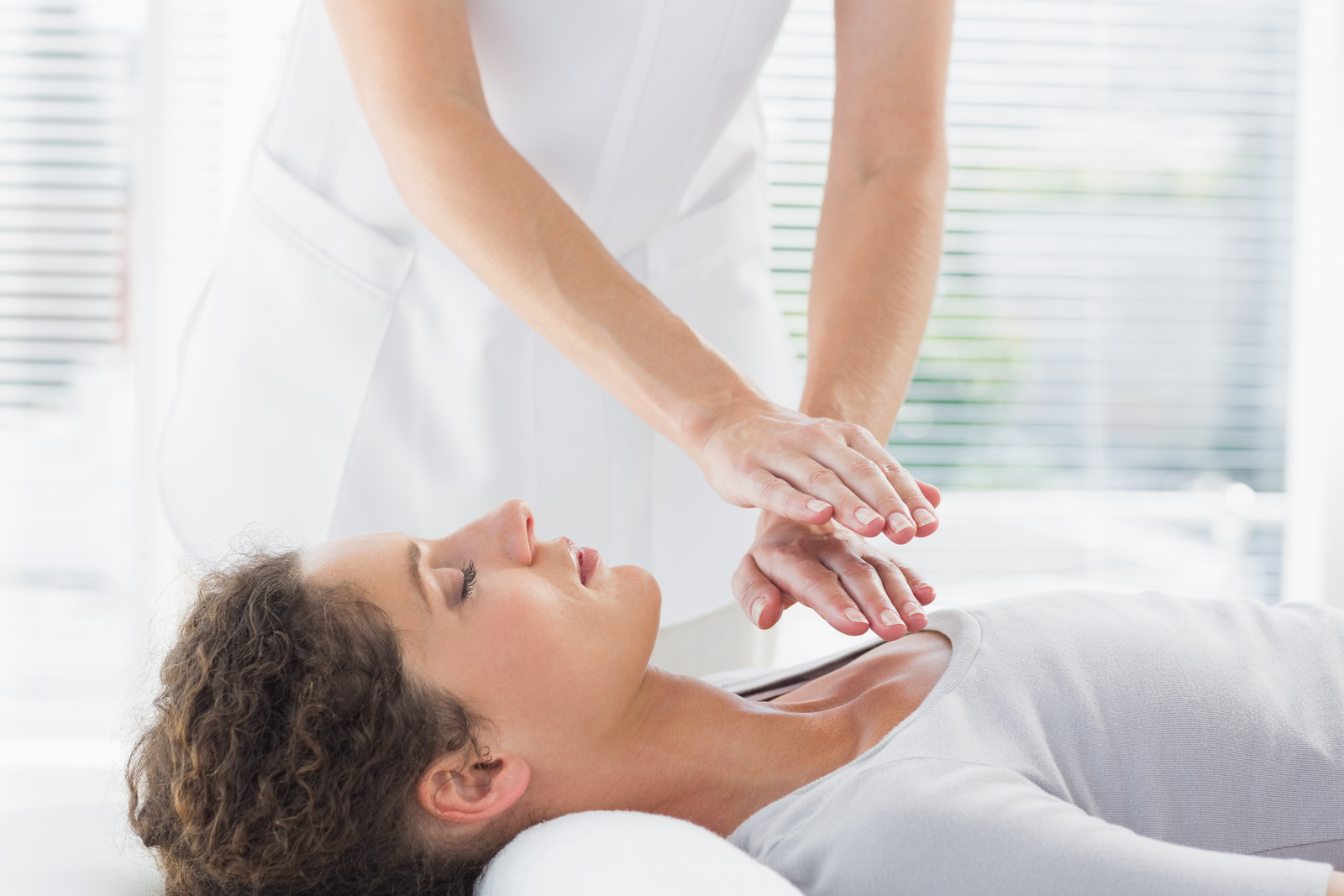
Reiki is a Japanese relaxation practice from the 1920s. A practitioner rests their hands lightly on or just above a person’s body; the tradition describes this as channelling a universal life energy. Research has not found that energy and has not shown Reiki to treat any condition, but people reliably report feeling calm and rested. If that sounds like something you would value, Reiki may suit you. If you are hoping to fix a health problem, it will not, and it is better to know that now. Understanding Reiki covers the history and principles; Reiki benefits separates what people report from what is proven.

Step two: try it at home first

You do not need a course, an attunement or any equipment to try the core of Reiki. Set aside ten minutes, sit or lie comfortably, rest your palms lightly over your eyes, then your chest, then your abdomen, staying a few minutes in each place and breathing normally. Do this daily for two weeks and write one line afterwards about how you feel. How to do Reiki gives the full sequence and a 20-minute routine.

Two weeks is long enough to learn something useful. Some people find the routine settling and look forward to it; others find it dull and would rather walk or stretch. Neither is wrong, but only the first group should spend money on a course.

Step three: decide about a Level 1 course

Level 1, sometimes called Shoden, is the traditional entry point. It is usually a one- or two-day event, in person or occasionally online, and it typically covers:

  • The history of Reiki and the five precepts.
  • The standard hand positions for self-practice and for treating others.
  • An attunement, the short ceremony in which the teacher initiates you into the lineage.
  • Practice time, usually giving and receiving short sessions with other students.
  • Guidance on consent, boundaries and what not to claim.

That last item is where courses differ most. A good teacher spends real time on it. A poor one skips it and fills the gap with promises. If you are considering a course, preparing for a Reiki attunement describes what the ceremony involves.

How to choose a teacher

Reiki has no licensing body in most countries, so anyone can teach. The practical safeguards are the questions you ask and the answers you get.

Good signs

Names their lineage and teacher. Small class, plenty of hands-on practice. Talks about consent and touch boundaries unprompted. Describes Reiki as a relaxation practice and tells you to keep seeing your doctor. Has insurance. Clear price, clear refund terms, no pressure to book Level 2 on the day.

Warning signs

Promises Reiki will treat or cure conditions. Large online groups with no practice time. Certificates issued after watching videos with no attunement or feedback. “Master in a weekend” packages. Pressure to buy all three levels up front. Vague or shifting answers about what the fee includes.

Your first month after Level 1

Most teachers ask new students to practise self-Reiki daily for at least three weeks after the course. This is sensible whether or not you believe anything about energy: it builds the habit while the instruction is fresh. A simple month looks like this.

  1. Week 1: self-practice only. Ten to twenty minutes daily, using the positions you were taught. Note one line each day.
  2. Week 2: add the precepts. Read the five precepts at the start of each session. Notice which one you keep coming back to.
  3. Week 3: one session for a willing friend or family member. Run the full consent conversation first, keep the touch light, ask afterwards how it felt. Do not interpret anything for them.
  4. Week 4: review your notes. Is the daily routine something you want to keep? Did giving a session feel comfortable? Decide from the record, not from how the course made you feel on the day.

Giving your first session to someone else

Practising on another person is where beginners most often get it wrong, usually with good intentions. Keep to a few rules. Ask about hands-on or hands-off contact and about any area to avoid. Explain that this is a relaxation practice, not a treatment. Check in partway through. Keep your observations neutral afterwards; “how did that feel?” is a good question, “I felt a block in your solar plexus” is not. Do not practise on injured, painful or recently operated areas, and never suggest that a session could replace an appointment or a medication. The Reiki safety guide covers these boundaries in detail.

About visualisations. Many courses teach beginners to imagine white light flowing from the crown through the heart and out of the hands, and to “seal” a session with a gesture. These can be pleasant ways to focus attention and mark the start and end of a practice. Treat them as that. They do not move anything into or out of anyone, and describing them to a recipient as something that happened to their body crosses into claims you cannot support.

What Level 2 and beyond add

Level 2 introduces the traditional symbols, including the one used for distance practice, and is the level most lineages expect before you treat the public or charge fees. The master or teacher level trains you to give attunements and teach. There is no hurry. Many people stay at Level 1 for years and get everything they wanted from Reiki there. Understanding long-distance Reiki explains what the distance practice is and is not, if you are curious about Level 2.

Expectations that keep it honest

  • Do not expect sensations. Warmth or tingling may come; nothing at all is equally normal.
  • Do not expect symptoms to change. If they do, something else was probably happening at the same time.
  • Do not use Reiki to delay a check-up, stop a medication or manage a mental-health condition on your own.
  • Do not tell recipients what their body “needs” or what you “felt” in them.
  • Do not buy more training than you have used. Practise Level 1 for months before considering Level 2.

Key Takeaways

  • Try two weeks of self-practice before paying for a course; it tells you whether you like the practice.
  • Level 1 is usually one or two days and should include hand positions, an attunement, practice time and clear guidance on claims.
  • Choose a teacher by their answers on consent, insurance, price and what Reiki cannot do.
  • Practise daily for a month after the course and decide from your notes.
  • Keep medical care in place and keep your language about Reiki modest.

Related reading

Frequently Asked Questions

1. Do I need training to start Reiki?

Not for self-practice. The hand positions are simple and low-risk. A Level 1 course adds the tradition’s structure, an attunement and a teacher to ask.

2. What is Reiki Level 1?

The first stage of training, usually one or two days, covering history, hand positions, an attunement, practice time and guidance on consent and claims.

3. How much does a Level 1 course cost?

Prices vary widely by country and teacher. Ask what the fee includes, how large the class is, and what the refund terms are before paying.

4. Can I learn Reiki online?

Some teachers offer Level 1 online. Look for live practice time and feedback; a certificate issued after watching videos alone is not the same thing.

5. What is an attunement?

A short ceremony in which the teacher initiates you into the lineage. Within the tradition it opens you to Reiki; practically it marks that you have been taught.

6. How do I choose a Reiki teacher?

Ask about lineage, class size, insurance, price and refund terms, and listen to how they describe what Reiki can and cannot do. Avoid anyone who promises cures.

7. What should I feel when practising?

Some people notice warmth or tingling; many feel nothing beyond relaxation. No sensation is required or means anything about energy.

8. How often should a beginner practise?

Ten to twenty minutes daily for the first few weeks builds the habit. Consistency matters more than length.

9. When can I give Reiki to other people?

Level 1 traditionally covers family and friends. Always run a consent conversation first and keep your language modest. Most lineages expect Level 2 before you treat the public.

10. Can Reiki help with sleep or stress?

Many people find a quiet session calming and sleep well afterwards. That is a common experience, not a proven treatment for insomnia or an anxiety disorder.

11. Are the white-light visualisations necessary?

No. They are a way to focus attention and mark the start and end of a session. They do not move energy into or out of anyone.

12. Is Reiki safe for beginners to practise?

Yes, as a light-touch relaxation practice. The risks are using it in place of medical care or practising on injured or painful areas.

13. How long before I move to Level 2?

There is no rule. Practising Level 1 for several months first is sensible, and many people never need Level 2.

14. Do I have to be spiritual or religious?

No. Reiki has no required beliefs, and the five precepts read as everyday ethical guidance.

15. What is the most common beginner mistake?

Telling a recipient what you “felt” in their body or what it “needs”. Keep observations to how they felt, and keep medical questions with clinicians.

Final thoughts

Starting Reiki well is mostly a matter of order: understand it, try it, then decide whether to train. Two weeks of quiet self-practice costs nothing and tells you more than any course description. If you go on to Level 1, choose the teacher by their honesty as much as their lineage, practise daily for a month, and keep your expectations plain. Reiki at its best is a calm habit and a gentle way to sit with other people, and it does not need to be anything more.

Evidence statements checked against the NCCIH Reiki overview on 26 September 2026.

The 7 Chakras and Healing Crystals: A Beginner’s Guide Without the Overclaims

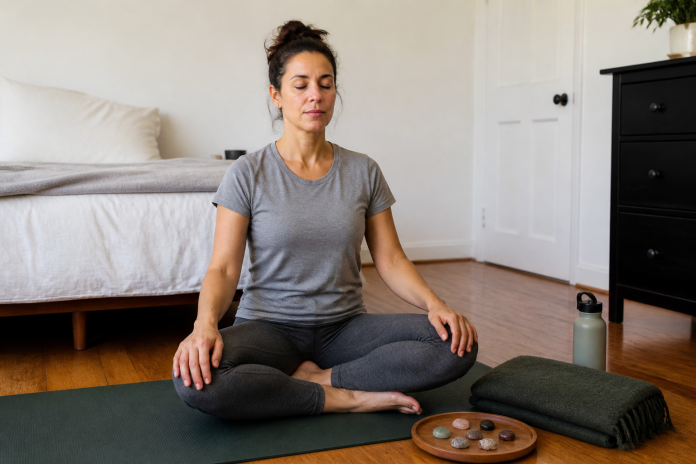
Woman sitting cross-legged on a yoga mat in a bright bedroom, a few small tumbled stones arranged on a wooden tray beside her, eyes closed

Quick Guide

The seven-chakra system is a map of the body used in yoga, Reiki and much modern wellness writing: seven points from the base of the spine to the crown, each linked to a colour, a set of feelings and, in crystal practice, a stone. Used as a reflection tool it is pleasant and sometimes useful. Used as a diagnosis, “your throat chakra is blocked”, or as a treatment, “place carnelian on your sacral chakra to heal it”, it is neither. This guide gives the map, its real history, the traditional stone pairings, how to use them without expecting them to do anything, and the claims to leave behind.

The version of this page that used to sit here told readers that chakras can be “clogged with negative energy”, that trauma is “stored” in them and must be “deeply felt” to be released, and that shungite protects the body from radiation. None of that is supported and some of it is unwise. The chakra map, on the other hand, is a perfectly good thing to know about, and so is the honest way to use a handful of stones.

Where the chakra system actually comes from

Chakra means “wheel” in Sanskrit, and chakra systems appear in Indian tantric texts from roughly the eighth century onwards, not in the Vedas as often claimed. Those texts describe several different systems with four, five, six, seven or more centres, used as visualisation maps for meditation rather than as anatomy. The seven-chakra version familiar today, with its rainbow of colours and its list of psychological themes, took shape in the West in the twentieth century, drawing on a 1919 translation of a sixteenth-century text and on later Theosophical and New Age authors. That does not make it worthless; it makes it a modern meditation framework with old roots, which is what it should be treated as.

The seven chakras and their traditional pairings

Chakra Location Traditional themes Colour Stones commonly paired
Root Base of spine Safety, stability, the basics of survival Red Black tourmaline, red jasper, smoky quartz
Sacral Lower abdomen Pleasure, creativity, relationships Orange Carnelian, orange calcite
Solar plexus Upper abdomen Confidence, will, personal power Yellow Citrine, tiger’s eye
Heart Centre of chest Love, compassion, grief Green (sometimes pink) Rose quartz, green aventurine
Throat Throat Expression, honesty, being heard Blue Lapis lazuli, sodalite, angelite
Third eye Between the brows Insight, imagination, clear thinking Indigo Amethyst, sodalite
Crown Top of the head Meaning, connection, perspective Violet or white Clear quartz, selenite

The themes are the useful part. They give you seven prompts for checking in with yourself: do I feel safe, am I enjoying anything, do I feel capable, am I connected to people, am I saying what I mean, am I thinking clearly, does anything feel meaningful. Signs your chakras are blocked works through those prompts as a reflection exercise and is clear about which physical or emotional signs need a clinician instead.

What crystals can and cannot do

The evidence on crystals is short. Controlled tests in which people meditated holding either a real quartz crystal or a glass fake found that both groups reported the same warm, tingling, calming sensations; expectation did the work, and the stone did not. No study has found a mineral held or worn on the body to have an effect on any physical or emotional condition. Nor is there a mechanism: quartz’s piezoelectric property, sometimes cited, requires mechanical stress and produces a current far too small to affect tissue.

What crystals reliably do is act as objects for attention. Holding a smooth stone while you breathe gives the hands something to do and the mind something to rest on. Placing one on the body during a lying-down practice gives you a physical marker for the area you are attending to. Keeping one in a pocket can serve as a reminder of an intention you set. Those are real uses, and they cost nothing in honesty as long as you do not tell yourself or anyone else that the stone is doing something.

Two safety notes. First, do not make “crystal elixirs” by soaking stones in drinking water: several popular minerals, including malachite, some forms of selenite and anything containing copper, lead or arsenic compounds, are unsafe to ingest. Second, the claim that shungite “protects from radiation” is false and can lead people to skip real precautions. Keep stones on the outside of the body and treat every health claim printed on a crystal-shop label as decoration.

A chakra and crystal practice that stays honest

  1. Lie down somewhere warm and quiet. Ten to twenty minutes. A blanket and an eye mask help.
  2. Place a stone, or just a hand, at each of the seven points in turn, starting at the base of the spine and moving up. Stay two minutes at each.
  3. At each point, ask the theme question. “Do I feel safe at the moment?” “Am I saying what I mean?” Notice the honest answer without arguing with it.
  4. Breathe slowly through the nose and let the belly rise and fall. This is the part that produces the calm.
  5. Afterwards, write down anything that came up. If a theme keeps returning over several sessions, that is worth thinking about, talking about or, if it is heavy, taking to a therapist.

Reiki self-practice uses a similar sequence of positions, and many practitioners combine the two; how to do Reiki gives the hand positions, and chakra work with Reiki shows how the map is used inside a session.

Claims to leave behind

  • “Chakras get clogged with negative energy.” There is nothing to clog. If you feel heavy or stuck, the chakra map can help you name which area of life it belongs to; it does not explain it.
  • “Trauma is stored in the chakras and must be deeply felt to release it.” Trauma is stored in memory and the nervous system, and processing it is skilled work. Deliberately “feeling each emotion deeply” alone on a yoga mat can retraumatise rather than release. If a practice brings up something heavy, stop and find a trauma-informed therapist.
  • “Eat the rainbow to feed each chakra.” Eating a variety of colourful vegetables is good advice for entirely ordinary reasons; the colours do not correspond to anything in the body.
  • “Smudging clears the auric field.” Burning sage smells nice and marks a moment; it clears nothing, and burning it indoors regularly is a respiratory irritant.
  • “Zip up your chakras for protection.” A visualisation that some people find comforting. It protects against nothing, because there is nothing to protect against.

Where the map is genuinely useful

Used lightly, the chakra system is a good structure for the kind of check-in most people never do. Seven questions, asked once a week, covering safety, pleasure, confidence, connection, honesty, clarity and meaning, will surface things a to-do list never will. The colours and stones make the questions memorable and the practice pleasant. Keep all of that. Drop the idea that any of it is happening inside your body, and the practice becomes both honest and durable. The Reiki safety guide explains why that distinction matters most for people who are unwell.

Key Takeaways

  • The seven-chakra system is a modern meditation map with medieval tantric roots, not Vedic anatomy.
  • Its seven themes make useful weekly check-in questions; its colours and stones make them memorable.
  • Crystals produce the same sensations as glass fakes; they are attention objects, not treatments.
  • Never ingest crystal water; ignore radiation and health claims on labels.
  • Trauma is not stored in chakras and should be processed with a therapist, not alone on a mat.

Related reading

Frequently Asked Questions

1. What are the seven chakras?

Seven points on a meditation map running from the base of the spine to the crown: root, sacral, solar plexus, heart, throat, third eye and crown, each with a colour and a set of themes.

2. Where does the chakra system come from?

Indian tantric texts from about the eighth century onwards described several systems. The seven-chakra rainbow version took shape in the West in the twentieth century.

3. Are chakras real?

They are real as a map for meditation and reflection. They are not anatomical structures and have not been detected by any measurement.

4. Can chakras be blocked?

Not physically. The word is a way of saying an area of life feels stuck; the map helps you name it, not diagnose it.

5. Do healing crystals work?

Tests show people feel the same sensations holding a real crystal or a glass fake. Crystals are useful objects for attention; they do not treat anything.

6. Which crystal goes with which chakra?

Traditionally: root with black tourmaline or red jasper, sacral with carnelian, solar plexus with citrine or tiger’s eye, heart with rose quartz, throat with lapis or sodalite, third eye with amethyst, crown with clear quartz or selenite. The pairings are by colour, not effect.

7. Is it safe to drink crystal-infused water?

No. Several common minerals leach toxic compounds. Keep stones out of drinking water.

8. Does shungite protect from radiation?

No. The claim is false and can lead people to skip real precautions.

9. How do I balance my chakras?

Lie down, attend to each of the seven points for two minutes with slow breathing, ask each theme question, and write down what comes up. The calm comes from the rest and the breath.

10. Is trauma stored in the chakras?

No. Trauma is held in memory and the nervous system. Processing it is skilled work for a trauma-informed therapist, not something to force alone on a mat.

11. Does eating foods of each colour feed the chakras?

Eating a variety of colourful vegetables is good for ordinary nutritional reasons. The colours do not correspond to anything in the body.

12. Does smudging with sage clear energy?

It marks a moment and smells pleasant. It clears nothing, and regular indoor burning irritates the lungs.

13. Can chakra work replace therapy or medical care?

No. It is a reflection practice. Persistent physical symptoms or heavy emotional material need a clinician.

14. How does the chakra map fit with Reiki?

Reiki hand positions roughly follow the seven points, and many practitioners use the themes to structure a self-practice. The map is a framework, not a mechanism.

15. What is the most useful thing about the chakra system?

Seven memorable questions, about safety, pleasure, confidence, connection, honesty, clarity and meaning, that make a weekly check-in easy to do.

Final thoughts

The seven chakras and their stones make a good weekly practice for one reason: they give you seven honest questions and a pleasant way to sit with them. Everything beyond that, the clogging, the storing, the protecting, the radiation, is decoration at best and a hazard at worst. Keep the map, keep the stones if you like them, ask the questions, and take anything heavy that comes up to someone trained to help with it.

Statements about crystal research and mineral safety reviewed on 26 September 2026.

Karmic Debt: What Karma Really Means, the Numerology Numbers 13, 14, 16 and 19, and the Honest Reading

Man at a desk by a window working through a page of handwritten sums with a pencil, calendar on the wall, mug of coffee, thoughtful

Quick Guide

“Karmic debt” means two different things. In Hindu, Buddhist and Jain thought, karma is the principle that actions have consequences that shape a life, or future lives; it is a serious ethical idea and not a scoreboard. In Western numerology, “karmic debt numbers” are four two-digit numbers, 13, 14, 16 and 19, found in a birth date or name, said to reveal faults carried over from a past life. This guide explains both, shows how the numerology is calculated for readers who want it, sets out what it can honestly be used for, and is clear about the harm in the old version’s central claim: that if bad things keep happening to you, you are paying for something you did.

The earlier article said that repeating hardship, addiction and “abusive relationships” are signs of karmic debt you “need to pay back”, that thoughts and feelings add to the debt, and that hating school builds “negative karma”. Aside from getting the numerology arithmetic wrong, it taught readers to read their own misfortune as deserved. That idea is unkind, unsupported and, for anyone in a harmful situation, dangerous. The concept of karma and the numerology game are both worth explaining properly; the guilt is not.

Karma, as the traditions actually mean it

Karma is a Sanskrit word for action. In the Indian religious traditions where it originates, it is the principle that intentional actions have consequences for the person who performs them, shaping character, circumstances and, in traditions that hold to rebirth, future lives. Three points matter for anyone borrowing the word. First, karma concerns intention and action, not passive misfortune: being harmed by someone else is their karma in the making, not yours being repaid. Second, in most readings it is not a ledger administered by anyone; it is closer to “you become what you repeatedly do”. Third, the teachings that use it are about how to act now, generously, honestly, without harming, rather than about decoding the past. The five Reiki precepts come from the same broad tradition and are a good example of karma-shaped ethics with no debt-counting in them.

Karmic debt numbers, as numerology means them

Modern Western numerology, which dates from the early twentieth century, assigns meanings to numbers derived from a birth date and from the letters of a name. Within it, four two-digit numbers are called karmic debt numbers, each said to point to a fault from a past life and the quality needed to correct it:

Number Reduces to Traditional “debt” Quality to develop
13 4 Laziness, work left undone Discipline, finishing things
14 5 Misuse of freedom, excess, control over others Moderation, commitment
16 7 Ego, pride, harm through relationships Humility, honesty
19 1 Selfishness, misuse of power Independence used for others

How the numbers are found

  1. Day of birth. If you were born on the 13th, 14th, 16th or 19th of any month, numerology counts that as a karmic debt number.
  2. Life path number. Add every digit of your full birth date. For 25 May 1990: 2+5+5+1+9+9+0 = 31; 3+1 = 4. Numerology looks at whether any stage of the reduction lands on 13, 14, 16 or 19; here it does not.
  3. Name numbers. Letters are assigned 1 to 9 (A=1, B=2, up to I=9, then J=1 again). Vowels give the “soul urge”, all letters the “expression” number; again, a total of 13, 14, 16 or 19 before reduction is read as a karmic debt.
  4. No match means no debt, in the system’s own terms. The old article’s claim that a birth day of 25 gives a debt of 7 was simply a miscalculation; 7 is not one of the four numbers.

That is the whole method. It takes five minutes, and it is available to anyone with a birth certificate.

What the numbers can honestly be used for

There is no evidence that birth dates or names predict character or fate, and no mechanism by which they could. What the karmic debt numbers offer is the same thing a horoscope or a tarot card offers: a short list of human faults, discipline, moderation, humility, generosity, and an invitation to ask whether one of them is yours. Used as a reflection prompt, that is harmless and occasionally useful. If reading “13: work left undone” makes you think about the three things you have been avoiding, the number has done its job, and it would have done it whatever your birthday was. Karmic lessons in numerology covers the related idea of “missing numbers” in a name on the same basis.

The claim to leave behind: misfortune as repayment

The old article’s list of “signs you have karmic debt” included repeating patterns, addiction and abusive relationships. Read that list again from the position of a person in it. Someone with an addiction is told they are paying for past selfishness. Someone being abused is told they “owe this”. That is not what the traditions teach, it has no basis, and it does exactly the wrong thing: it turns a situation that needs help into one that must be endured. Addiction is a health condition with effective treatment. Abuse is a crime with services and helplines; karmic relationships sets out where to call. Repeating patterns are habits, and habits are changed by noticing them, usually with someone’s help. None of it is a debt.

A better use of the idea

  • Look forward, not back. Karma as the traditions mean it is about the next action. Ask what a generous, honest, unharming choice looks like today, and take it.
  • Use the four faults as a checklist. Finishing things, moderation, humility, generosity. Pick the one that stings and work on it for a month, whatever your birthday says.
  • Drop the thought-crime rule. Feelings are not deeds. Disliking school, a job or a relative is information, not debt.
  • Separate what you did from what was done to you. Responsibility for the first; help for the second. Confusing them is the root of the guilt this idea causes.
  • Let the numbers be a game. Enjoy the calculation, read the description, and treat it as one of many prompts rather than a verdict.

Key Takeaways

  • In its original traditions, karma is about the consequences of intentional action, not a ledger of misfortune.
  • Numerology’s karmic debt numbers are 13, 14, 16 and 19, found in birth dates and names; the old article miscalculated them.
  • The numbers can serve as a reflection prompt about discipline, moderation, humility and generosity; they predict nothing.
  • Hardship, addiction and abuse are not repayments for past lives; they are situations that need help.
  • The useful direction of karma is forward: what is the generous, honest action today?

Related reading

Frequently Asked Questions

1. What is karmic debt?

In numerology, four numbers, 13, 14, 16 and 19, found in a birth date or name and said to reveal faults from a past life. In the traditions karma comes from, there is no such ledger; karma concerns the consequences of intentional action.

2. What does karma actually mean?

Sanskrit for action. In Hindu, Buddhist and Jain thought, the principle that intentional actions shape a person’s character and circumstances, and in some readings future lives.

3. Which are the karmic debt numbers?

13 (reduces to 4), 14 (to 5), 16 (to 7) and 19 (to 1). They appear as a birth day, or as an intermediate total when reducing a birth date or name.

4. How do I calculate my karmic debt number?

Check whether your birth day is the 13th, 14th, 16th or 19th, then add all the digits of your birth date and see whether any stage of the reduction lands on one of those four. Name letters can be added the same way.

5. What does karmic debt 13 mean?

Traditionally, laziness or work left undone in a past life, with discipline and finishing things as the remedy.

6. What does karmic debt 14 mean?

Traditionally, misuse of freedom or excess, with moderation and commitment as the remedy.

7. What does karmic debt 16 mean?

Traditionally, ego or pride, with humility and honesty as the remedy.

8. What does karmic debt 19 mean?

Traditionally, selfishness or misuse of power, with independence used for others as the remedy.

9. Does karmic debt predict anything?

No. There is no evidence that birth dates or names predict character or fate. The numbers work only as a prompt for reflection.

10. Is bad luck a sign of karmic debt?

No. Misfortune, hardship and harm done to you by others are not repayments. Reading them that way turns situations that need help into ones to be endured.

11. Is addiction a sign of karmic debt?

No. Addiction is a health condition with effective treatment. Calling it a past-life debt is unkind and delays help.

12. Is an abusive relationship karmic debt?

No. Abuse is done to you by someone else; it is their action, not your repayment. Helplines exist and no story about karma should delay a call.

13. Do negative thoughts create karmic debt?

No. Feelings are not deeds. The traditions concern intentional action; disliking something is information, not a debt.

14. What does having no karmic debt number mean?

In the system’s terms, nothing to correct from a past life. In practice, it means the calculation did not land on 13, 14, 16 or 19, and your life is exactly as it was.

15. What is a good way to use the idea of karma?

Forward. Ask what a generous, honest, unharming action looks like today and take it. Use the four faults as a checklist regardless of your birthday.

Final thoughts

Karma, taken from the traditions that coined it, is a reminder that what you do shapes who you become. Karmic debt numbers, taken from numerology, are a five-minute game with a useful list of faults attached. Neither says that your hard year was deserved, and anyone who tells you it was is not describing karma; they are describing blame. Do the sums if you enjoy them, take the checklist seriously, and let the debt go.

Numerology method checked against standard Western sources on 26 September 2026.

Lightworker “Protection” Steps: The Habits Behind the Rituals, in Brief

Steps to Be a Lightworker with Strong Energies

Short answer

The five steps this page used to give a lightworker, grounding, cleansing, cord-cutting, a shield, and asking guides for protection, are rituals that mark the end of a demanding stretch and remind a helper of their own edges. They protect against nothing, because there is no energy to protect against, and they help anyway, because the underlying habits they point to, rest, a daily reset, ending one-sided relationships, preparing before a hard room, and asking for support, are exactly what people who help for a living tend to neglect. Each ritual is mapped to its habit below, and the full account of the lightworker idea, what is worth keeping and what is risky, is in one place.

Read the full guide

What a lightworker is, why the six signs fit almost everyone, what is worth keeping in the idea and what is risky, and the honest path for someone who wants to help.

What Is a Lightworker? 6 Signs and an Honest Path for Helpers

The five rituals and the habits behind them

  • Grounding is sleep, food, daylight and a walk. Feeling “spacey” after a lot of people is overstimulation, and the remedy is quiet and the outdoors, not a higher or lower frequency.
  • Cleansing is the shower after a hard day. Imagine what you like while the water runs; what changes is your state, which is the point.
  • Cord-cutting is ending, or limiting, relationships that take far more than they give, and not checking that person’s social media. The angels are optional; the unfollow is not.
  • The shield is thirty seconds of preparation before a difficult room: breathe out, decide what you will and will not take on, go in. How to protect your aura gives the six habits this stands for.
  • Asking guides for protection is asking for help. A supervisor, a peer group, a friend who also helps, or a therapist will do more than any guide, and helpers are the people least likely to ask.

If the helping has become exhausting, the answer is fewer commitments and real support rather than more rituals; the boundary with care applies to the carer too.

Empaths in Romantic Relationships: 5 Real Challenges and What Actually Helps

Couple sitting at opposite ends of a sofa in a living room, one reading a book and the other with a laptop, comfortable and quiet, a dog asleep on the rug

Quick Guide

Highly sensitive people, the ones who call themselves empaths, tend to run into the same five problems in relationships: avoiding closeness because a partner’s moods feel overwhelming, putting the partner’s needs first until their own disappear, losing the line between their feelings and their partner’s, tuning in so constantly that they never rest, and trying to manage the partner’s emotions as if those were theirs to fix. Each has an ordinary explanation in sensory processing sensitivity and emotional contagion, and each has a practical answer that does not involve energy. This guide gives the five, what is going on underneath, and the habits and conversations that make a relationship work for a sensitive partner and the person who loves them.

The earlier version of this page was more sensible than most on the subject, and much of its advice survives here. What changes is the frame: “feeling energies and emotions of other people as if they are your own” is emotional contagion in a nervous system that processes deeply, and once it is understood that way, the fixes become concrete.

Why relationships are harder for sensitive people, and better

Sensitivity cuts both ways. People high in sensory processing sensitivity are more affected by their environment, including the person they live with: a partner’s bad day lands harder, a raised voice lasts longer, and living alongside someone’s moods all evening is more tiring than it would be for someone less attuned. The same trait makes them attentive, generous and quick to notice when something is wrong, which are qualities most partners are glad of. The aim is not to become less sensitive. It is to stop the trait from running the relationship. Being an empath: 14 common problems covers the trait in general; this page is about the two-person version.

The five challenges, and what helps

  1. Avoiding closeness because it feels like too much. Some sensitive people stay single, or keep partners at a distance, because a shared home means a shared mood with no exit. The answer is not distance; it is a negotiated exit. Agree, early and out loud, that you will take time alone most days, that it is not a verdict on the relationship, and that a partner can ask “do you need some quiet?” without it being a rejection. Twenty minutes in another room after work, kept reliably, makes closeness sustainable.
  2. Putting your partner’s needs first until yours vanish. Sensitive people often keep the peace by absorbing the cost of every disagreement, which feels like kindness and ends as resentment. Practise stating one preference a day, small and specific: which film, what time, where to eat. A partner who has never heard your preferences cannot meet them. If stating them is met with anger or sulking, that is information about the relationship, not about your sensitivity.
  3. Losing the line between your feelings and theirs. When a partner comes home low and you are low within minutes, you have caught their mood; that is contagion, not merging. Ask the source question: “was I feeling this before they walked in?” If not, name it to yourself, and, when it helps, to them: “I think I’ve caught your mood; is it a hard one?” Keep things that are yours alone, a friend, a hobby, an evening a week, so that your inner weather is not entirely shared.
  4. Tuning in without ever switching off. The old article called the alternative “witnessing”, and the idea is sound: you can notice that your partner is off without taking it on or acting on it. Noticing is not an obligation. Practise letting a small mood pass without commenting, and see that the relationship survives. It will, and you will be less tired.
  5. Trying to fix, change or contain your partner’s emotions. Because their feelings land so hard on you, it is tempting to manage them so that you feel better. Their feelings are theirs. Your job is to be kind and present, not to make the feeling stop. “Do you want help with this or just company?” is the question that keeps the line. If a partner processes emotion in ways that are frightening or harmful, that is a matter for them and a professional, and possibly for your own safety, not for your management.

What a partner can do

If your partner is highly sensitive Why it matters
Warn before a big mood lands: “I’ve had an awful day, I need to vent for ten minutes” A warned nervous system braces; an ambushed one floods
Take their need for quiet at face value It is recovery from stimulation, not distance from you
Lower the volume, literally Raised voices and sudden noise cost sensitive people more and for longer
Ask for their preference and wait for it They may have been trained by past relationships to have none
Do not use their attunement as a service “You always know what I need” becomes “you should have known” very quickly
Tell them when you are fine They will be scanning; a plain “I’m good” lets them stop

Two conversations worth having once

  • The quiet conversation“I need about twenty minutes alone most days to settle. It’s about noise, not about you. Can we make that normal?”
  • The mood conversation“When you’re low I catch it fast. I’d rather know it’s yours than guess. Will you tell me when a mood is about something else?”
  • The fixing conversation“When you’re upset, do you want help or company? I’ll ask each time, and I’d like the honest answer.”

These take five minutes each and prevent years of misreading. Most partners are relieved to have them.

When it is not sensitivity. Walking on eggshells, feeling responsible for a partner’s anger, being told you are “too sensitive” whenever you raise a concern, or being drained by a partner who takes far more than they give are not empath problems; they are relationship problems, and sometimes they are signs of a relationship that is not safe. A therapist, alone or together, is the right place to take them. The boundary with care applies here as much as anywhere on this site.

Rituals, honestly

A bath after a hard evening, a few minutes of self-Reiki before bed, a visualised bubble of light: none of these separates your energy from your partner’s, because there is no energy to separate. They work as end-of-exposure cues that let a sensitive nervous system stand down, and they are worth keeping for that. Shared versions, a quiet twenty minutes side by side, can be part of the relationship rather than a retreat from it.

Key Takeaways

  • Sensitive people catch a partner’s moods by contagion and tire faster from shared living; that is a trait, not an energy field.
  • Negotiate daily quiet out loud, state one preference a day, and ask the source question when a mood arrives suddenly.
  • Noticing a partner’s mood is not an obligation to act; their feelings are theirs to have.
  • Partners help most by warning before big moods, taking quiet at face value, and saying plainly when they are fine.
  • Eggshells, blame and one-sided draining are relationship problems, not sensitivity, and belong with a therapist.

Related reading

Frequently Asked Questions

1. Why are relationships harder for empaths?

Highly sensitive people are more affected by the person they live with: moods land harder, raised voices last longer, and shared evenings are more tiring. The same trait makes them attentive and generous.

2. Do empaths absorb their partner’s emotions?

They catch them, through emotional contagion, more strongly than most. Nothing is absorbed; the mood passes faster once its source is named.

3. Should an empath date another empath?

Not necessarily. Any partner who takes the need for quiet at face value and warns before big moods will do. Two sensitive people may simply need more agreed quiet.

4. How much alone time does a sensitive partner need?

Often twenty to thirty minutes most days, especially after work or social events. Agree it out loud so it is never read as rejection.

5. How do I stop putting my partner’s needs first?

State one small preference a day, which film, what time, where to eat, and let it stand. A partner cannot meet preferences they have never heard.

6. How do I tell whether a feeling is mine or my partner’s?

Ask whether you were feeling it before they walked in. If not, it is probably theirs, caught. Name it and it fades sooner.

7. What is “witnessing” in a relationship?

Noticing your partner’s mood without taking it on or acting on it. Noticing is not an obligation, and small moods can be allowed to pass.

8. Am I responsible for my partner’s emotions?

No. You can be kind and present; the feeling is theirs to have. “Do you want help or company?” keeps the line clear.

9. What can a partner do to help?

Warn before venting, take quiet at face value, keep the volume down, ask for preferences and wait, and say plainly when they are fine so the scanning can stop.

10. Are there conversations worth having early?

Three: the quiet conversation, the mood conversation, and the fixing conversation. Each takes five minutes and prevents years of misreading.

11. Can grounding rituals protect me from my partner’s energy?

There is no energy to protect against. Rituals work as cues that let a sensitive nervous system stand down after exposure, and are worth keeping for that.

12. Can Reiki help a sensitive couple?

A quiet twenty minutes side by side, hands resting on the body, is a calm shared practice. It works because it is quiet, not because of energy.

13. What if my partner says I am too sensitive whenever I raise a concern?

That is a relationship problem, not a sensitivity problem. Being dismissed for raising concerns is worth taking to a therapist, alone or together.

14. What if I feel responsible for my partner’s anger?

Walking on eggshells is a sign the relationship may not be safe. Talk to a therapist or a trusted person; your sensitivity is not the cause.

15. Can a sensitive person have a good relationship?

Yes. Sensitivity brings attentiveness and generosity. With agreed quiet, stated preferences and clear lines around whose feelings are whose, it is an asset.

Final thoughts

A sensitive person in a relationship is not managing an energy problem; they are managing a nervous system that notices more, catches more and needs more time to settle. Three short conversations, a daily quiet window, one stated preference a day and the habit of asking whose feeling this is turn that from a liability into what it should be: a partner who pays close attention and has learned to look after themselves while doing it.

Trait description checked against the 2019 review of sensory processing sensitivity on 26 September 2026.

Energy Healing: 5 Essentials to Know Before You Book a Session

Woman at a cafe table comparing two brochures side by side with a pen and a notebook, coffee cup and phone nearby

Quick Guide

“Energy healing” is an umbrella term for practices, Reiki, therapeutic touch, qigong healing, crystal healing, pranic healing and others, that describe themselves as working with a life energy in or around the body. No such energy has been detected, so the practices cannot do what their names claim; what they reliably do is give people a calm, attended-to hour, which is worth having and worth paying a fair price for. This guide gives five things worth knowing before you book anything: what the practices have in common, what the evidence says, how they compare with treatments that have a mechanism, what to ask a practitioner, and the boundary that keeps energy healing safe.

The earlier version of this page said that “Chinese medicine instructed people about chakras, meridians and Reiki”, that molecules vibrating at different rates explain “good vibes”, and that smudging “clears negative vibrations”. Chakras are Indian, meridians are Chinese, Reiki is Japanese and a century old, and molecular vibration has nothing to do with how a room feels. The idea behind the article, five things a curious beginner should know, is a good one, so here it is done properly.

1. What energy healing practices have in common

Reiki, therapeutic touch, healing touch, pranic healing, qigong healing, crystal healing and spiritual healing differ in origin and ritual and share a structure: a practitioner spends time with a client in a calm setting, usually with light or no touch, with the stated intention of adjusting an energy that neither of them can see. The client lies or sits still for twenty to sixty minutes. Most report feeling relaxed afterwards. The shared structure is what produces the shared result, and how Reiki works sets out the four ordinary ingredients, rest, touch, attention and expectation, that account for it across all of them.

Practice Origin What it claims to act on Touch What people reliably get
Reiki Japan, 1920s Universal life energy through the hands Light or hovering Rest, calm, often better sleep that night
Therapeutic touch / healing touch United States, 1970s onwards, nursing The human energy field Usually hovering The same
Pranic healing Philippines, 1980s Prana and the aura No touch The same
Qigong healing (external qi) China, drawing on older qigong Qi emitted by the practitioner No touch The same; qigong exercise itself is a separate, physical practice
Crystal healing Modern, with older folk roots Vibrations of minerals Stones placed on the body The same, with pleasant objects
Spiritual or faith healing Ancient, many traditions Divine power Laying on of hands Comfort, community, meaning

2. What the evidence says

The U.S. National Center for Complementary and Integrative Health summarises the position for Reiki, and it applies to the family: there is no scientific evidence for the energy field these practices describe, and no clear evidence that they are useful for any health-related purpose. The most telling studies compare a trained practitioner with an untrained actor performing the same movements; the two groups report the same relaxation, which shows the effect comes from the setting rather than from anything transmitted. A famous small experiment in 1998 asked therapeutic-touch practitioners to detect, behind a screen, which of their hands a tester’s hand was near; they performed at chance. None of this means people are lying about feeling better. It means the reason they feel better is not the one on the brochure. What does research say about Reiki? goes through the studies in more detail.

3. How energy healing compares with things that have a mechanism

The old article grouped Reiki with acupuncture, massage and reflexology as if they were one category. They are not, and the difference matters when you are deciding where to spend money.

  • MassageWorks on muscle and connective tissue with pressure. It has moderate evidence for short-term relief of low-back pain and for reducing anxiety, and its mechanism is not in dispute. If your problem is a tight back, this is the sensible first choice.
  • AcupunctureInserts needles at set points. The evidence is mixed: some benefit for certain kinds of chronic pain, with sham acupuncture often performing nearly as well, which suggests expectation and attention do much of the work. It is a regulated profession in many places, which energy healing is not.
  • Energy healing and reflexologyRest on a mechanism that has not been found (an energy field, or a map of organs on the feet). They provide calm through the same four ingredients as any quiet hour. Choose them for that, priced accordingly, and not for a condition.

Mind-body approaches in therapy sets out which relaxation practices have evidence behind them and which are pleasant without it.

4. What to ask before you book

  1. “How do you describe what a session does?” The good answer is some version of “it is relaxing, and it does not treat anything”. A practitioner who names conditions they help with has told you to look elsewhere.
  2. “What training and insurance do you have?” Energy healing is unregulated almost everywhere; a certificate takes a weekend. Insurance and a professional body at least mean someone can hear a complaint.
  3. “Can I have it hands-off, and can I stop at any time?” Both answers should be an immediate yes.
  4. “What does it cost, and do you sell packages?” A fair price is roughly what a massage of the same length costs locally. Packages sold on the basis that “the energy needs time” are selling repeat business.
  5. “Will you ever tell me what is wrong with me?” The right answer is no. A practitioner who says they can sense illness, blocks or emotional causes in your body is making a diagnostic claim they cannot support. Does Reiki enhance psychic abilities? explains why practitioners sincerely believe this and why it is still wrong.

5. The boundary that keeps it safe

Energy healing is low-risk as an hour of rest. Its risk comes entirely from what it is used instead of. The old article said it “pairs well with your existing medical care”, which is true only if the medical care is not moved: every appointment, medication, scan and course of treatment stays exactly where it was, and the energy session is added alongside as comfort. People who are frightened by a diagnosis are the most vulnerable to a practitioner who offers something gentler than the hospital, and every year some of them are harmed by choosing it. The Reiki safety guide lists the claims that should end a conversation with any practitioner, of any modality.

On “good vibes” and molecules. Everything is made of molecules and molecules vibrate; neither fact explains why a room feels calm or a person feels heavy. Rooms feel calm because of air, light, quiet and cleanliness, and people feel heavy after an argument because they have just had an argument. Clearing negative energy from a room explains what actually changes a space.

Where to start if you are curious

  • Try the free version first. Lie down for twenty minutes with your hands on your chest and abdomen, breathing slowly. Self-Reiki practice gives the routine. If that gave you most of what you wanted, you have learned what a paid session is worth to you.
  • Book one session, not a course. Judge it by how you feel that evening.
  • Spend time outside. The old article’s best advice was a walk on a beach or an afternoon of gardening. Physical activity outdoors has good evidence for mood, needs no practitioner, and costs nothing.
  • Learn a practice rather than buying one. A Reiki Level 1 weekend, a meditation course or a gentle yoga class gives you something you can do for yourself for years.

Key Takeaways

  • Energy healing practices share one structure, a calm hour of attention, and one result, relaxation; the energy they describe has not been found.
  • Sham comparisons show the effect comes from the setting, not from anything transmitted.
  • Massage and, to a lesser extent, acupuncture have mechanisms and some evidence; energy healing and reflexology do not, and should be chosen for calm rather than for conditions.
  • Ask how a practitioner describes limits, what training and insurance they have, and whether they ever diagnose.
  • Keep every medical appointment exactly where it is; energy healing sits alongside care, never in place of it.

Related reading

Frequently Asked Questions

1. What is energy healing?

An umbrella term for practices such as Reiki, therapeutic touch, pranic healing, qigong healing and crystal healing that describe themselves as working with a life energy in or around the body. No such energy has been detected.

2. Does energy healing work?

It reliably produces relaxation through rest, touch, attention and expectation. It has not been shown to treat any condition, and sham comparisons produce the same relaxation.

3. Is energy healing a science?

No. Molecules vibrating does not explain any of it, and controlled tests have not found the energy field the practices describe.

4. Did Chinese medicine teach chakras and Reiki?

No. Chakras come from Indian tradition, meridians from Chinese tradition, and Reiki from Japan in the 1920s. They are separate systems.

5. Do I have to be spiritual to benefit?

No. Rest and attention relax anyone. Belief adds a small boost through expectation and nothing else.

6. How is energy healing different from massage?

Massage works on muscle with pressure and has evidence for short-term pain relief. Energy healing rests on an undetected mechanism and provides calm only.

7. Is acupuncture energy healing?

It is sometimes grouped with it. The evidence is mixed, with sham acupuncture often performing nearly as well, and it is a regulated profession in many places, which energy healing is not.

8. Does reflexology work?

As a foot massage, it is pleasant and relaxing. The map of organs on the feet has no anatomical basis, so it should be chosen for calm, not for conditions.

9. What should I ask a practitioner before booking?

How they describe what a session does, what training and insurance they have, whether you can have it hands-off and stop at any time, what it costs, and whether they ever tell clients what is wrong with them.

10. Can a practitioner sense illness or blocks in my body?

No. Impressions in a quiet mind are the practitioner’s own. A practitioner who states them as findings is making a diagnostic claim they cannot support.

11. How much should energy healing cost?

Roughly what a massage of the same length costs locally. Be wary of packages sold on the claim that the energy needs time to work.

12. Is energy healing safe?

As an hour of rest, yes. The risk comes entirely from using it instead of medical care, which has caused avoidable harm.

13. Can energy healing be combined with medical treatment?

Yes, as comfort alongside it, provided nothing in the treatment plan moves. Tell your care team, and keep every appointment and medication as it was.

14. Does smudging clear negative vibrations from a home?

It changes the smell. Air, light, cleaning and quiet are what change how a room feels; smoke indoors is a respiratory irritant.

15. What is the best way to start?

Try twenty minutes lying down with your hands on your body, for free. Then book one session, judge it that evening, and spend time outdoors, which has better evidence for mood than any practitioner.

Final thoughts

The five essentials of energy healing are shorter than the brochures suggest: the practices share a calm hour and a result of relaxation; the energy has not been found; massage and exercise have mechanisms and energy healing does not; a good practitioner describes limits before you ask; and nothing in your medical care moves. Hold those five and you can enjoy any of these practices for exactly what it is, and never be sold more than that.

Evidence statements checked against the NCCIH Reiki overview on 26 September 2026.

Using Reiki to Clear Your Mind: What It Really Does, in Brief

Reiki

Short answer

“Clearing your mind” with Reiki means twenty minutes lying or sitting still with your hands resting on your body in a set sequence, breathing slowly. It works as a rest and a reset for the same reasons any quiet body-scan does, and it needs no attunement. It does not clear “blockages”, does not remove negative energy, and does not connect you with “the spirit world”, which is what this page used to say. The full self-practice, with the ten hand positions and honest limits, is in one place.

Read the full routine

A comfortable twenty-minute self-Reiki sequence, what people reliably feel, when to skip it, and where it sits alongside care.

Self-Reiki Practice: A Comfortable Routine and Clear Limits

The sequence, in brief

  • Palms together at the chest, then hands on the crown, over the eyes, at the throat, on the chest, the upper abdomen, the lower abdomen, the shoulders, the lower back, and the feet. Two minutes each with slow breathing.
  • Do not “look at your body to see what is blocked or hurting”. If something hurts, that is information for a doctor, not for a hand position. The Reiki safety guide explains why.
  • What clears is the mental noise, because you stopped for twenty minutes. How Reiki works sets out the four ordinary ingredients.

What Happens When Karma “Pays You Back”? The Honest Answer, in Brief

Karma is Paying You Back

Short answer

“Karma paying you back” is the hope that good conduct is rewarded with good luck: the empty flight, the free upgrade, the stranger who pays for your meal. Those things happen, and they happen to everyone at roughly the same rate, whatever they have done; noticing them more when you have been kind is a pleasant bias, not a payment. In the traditions karma comes from, the return on good action is not luck but character: a person who acts generously becomes generous, and finds life easier for it. This page used to promise that “the universe” would cover a psychic’s rent and travel; it now points to the honest account of what karma means.

Read the full guide

Karma as the Indian traditions actually mean it, the numerology karmic debt numbers explained and correctly calculated, and why neither good luck nor bad luck is a payment.

Karmic Debt: Karma, the Numbers 13, 14, 16 and 19, Explained

What good conduct does reliably return

  • People. Those who are generous and honest are trusted, helped and remembered. That is not luck; it is the ordinary consequence of how they treat others.
  • A quieter mind. Acting well leaves less to regret and rehearse, which is most of what “peace” means in practice. The five precepts are built on this.
  • Noticing. A person who expects good things looks for them and finds more of them. The free coffee was always there; the noticing is what changed.

What good conduct does not return is money, safety or health on demand. Anyone who tells you the universe will provide because you are gifted is describing a hope, not a plan, and the boundary with care applies to finances as much as to health.

Signs You Are in a Karmic Relationship: The Pattern, the Useful Reading, and the Line Not to Cross

Woman sitting on the front steps of a house with a packed holdall beside her, phone in hand, looking down the street in morning light

Quick Guide

“Karmic relationship” is the popular name for a relationship that is intense, fast, hard to leave and strangely familiar, as if you have been here before. In the language of the concept, you are meeting someone to settle a debt or learn a lesson from a past life. In plainer language, you are repeating a pattern: the same kind of partner, the same fight, the same ending. This guide gives the signs people use, explains what the pattern usually is, sets out the useful reading of the idea and the dangerous one, and is clear about the line the old version of this page blurred: a relationship that hurts you is not a lesson you have to stay in.

The earlier article listed “generational curses”, “controlling partners” and “relationships full of abuse and control” as ways karma shows up, then said of those relationships that “you honor love and you see the behaviors of others and you love them, but you need to get out.” The last four words were right and everything around them made it harder to act on. This version puts them first.

The signs people use

The sign What it usually is
Instant, overwhelming connection; “I felt I already knew them” Strong attraction plus familiarity: they resemble someone from your past, often a parent or an early partner, in ways you notice below awareness
Intensity from the first week; everything is dramatic A fast, high-arousal start, which feels like fate and is a poor predictor of a good relationship
The same fight, over and over Two people’s old patterns locking together; each triggers the other’s oldest reaction
Breaking up and getting back together repeatedly Intermittent reinforcement: unpredictable reward is the most compelling kind, and the hardest to walk away from
Feeling you cannot leave even though it hurts Attachment, sunk cost, hope that the good version will return, and sometimes control by the other person
“It’s teaching me something” Sometimes true; often the story we tell to justify staying
It ends suddenly and you feel changed Any intense relationship changes you; the change is real whether or not a debt was settled

The useful reading of the idea

Strip out the past lives and the karmic frame says something true: some relationships repeat, and the repetition is information about you. If your last three partners were charming, unavailable and eventually cruel, the common factor is not the universe; it is what you find familiar, what you tolerate, and what you have not yet learned to walk away from. Treating that as a lesson is fair, as long as the lesson is learned by leaving, not by staying. The questions the old article ended with, “is my relationship full of pain?”, “who am I trying to control?”, “what is bringing me fear?”, are good questions, and the honest answers usually point in one direction.

The dangerous reading

The same idea is often used the other way round: this relationship is painful because I owe a debt, so the pain is the point and I must endure it until the lesson is complete. That reading keeps people in relationships that are harming them, and it is the reason this page needed rewriting. Some plain rules:

  • Control is not karma. A partner who monitors your phone, decides who you see, manages your money or punishes you with silence is controlling you. There is no lesson in it except to leave.
  • Fear is not depth. Walking on eggshells, rehearsing what you will say, feeling relief when they are out: those are signs of a relationship that is not safe, not signs of a soul contract.
  • Abuse is not a debt you are repaying. Nobody’s past-life conduct earned them being hit, threatened, humiliated or isolated. The idea is cruel, and it is false.
  • “Generational curses” are patterns, not spells. Families do pass down ways of relating, and those can be changed by the first person who chooses differently, usually with help.
  • Intensity is not compatibility. The fast, dramatic start that feels like fate is the least reliable sign of a relationship that will be good in year five.

If you are in a relationship that frightens you. In the United States, the National Domestic Violence Hotline is available at any hour on 1-800-799-7233 or by texting START to 88788; other countries have equivalent services, and a search for “domestic abuse helpline” plus your country will find them. You do not need to be sure it counts as abuse to call. Advocates will help you think it through. No reading of karma should delay that call.

What to do with a repeating pattern

  1. Write the pattern down. Three past relationships, one line each: how it started, what the recurring fight was, how it ended. Look for the common factor. It is usually visible within five minutes of writing.
  2. Name what felt familiar. Familiarity is the trap. If the person who felt like home resembled a parent or first love in a way that hurt then, the feeling of recognition is a warning, not a sign.
  3. Slow the next one down. Intensity in week one is the pattern restarting. Choose, deliberately, the person who is a little boring at first and consistent by month three.
  4. Get an outside view. A friend who has watched the pattern, or better a therapist, will see what you cannot from inside it. This is the single most effective step and the one people skip.
  5. Leave when leaving is the lesson. If the honest answers to “is it full of pain?” and “what is bringing me fear?” are yes and this person, the lesson has been delivered. What remains is the practical work of going, which friends, family and services exist to help with.

What a healthy relationship feels like by comparison

The old article was right that some relationships called karmic are “peaceful and balanced”, and it is worth saying what those look like, because after a run of intense ones they can feel flat: you know where you stand; disagreements end; you are not afraid of their reaction; you can see your friends; you are more yourself around them, not less; and the relationship is mostly ordinary, which is the point. Empaths in romantic relationships covers the version of this for sensitive people, who are often the ones drawn hardest into intensity.

Key Takeaways

  • A karmic relationship, in plain terms, is a repeating pattern: intense, familiar, hard to leave, the same fight each time.
  • The useful reading is that repetition is information about what you find familiar and tolerate; the lesson is learned by leaving.
  • Control, fear and abuse are not karma and not lessons; they are reasons to go, with help.
  • Write the pattern down, name what felt familiar, slow the next one down, and get an outside view.
  • If a relationship frightens you, a domestic-abuse helpline will help you think it through, at any hour.

Related reading

Frequently Asked Questions

1. What is a karmic relationship?

The popular name for a relationship that is intense, fast, familiar and hard to leave, framed as settling a past-life debt. In plain terms, a repeating pattern.

2. What are the signs of a karmic relationship?

Instant connection, intensity from the start, the same fight over and over, repeated break-ups and reunions, feeling unable to leave, and a sense that it is teaching you something.

3. Why does it feel like I already knew them?

Familiarity: they resemble someone from your past, often a parent or early partner, in ways you register below awareness. That feeling is a warning as often as a sign.

4. Are karmic relationships meant to last?

The concept says they usually end once the lesson is learned. In practice, intense repeating relationships end because the pattern is exhausting, and that is fine.

5. Is a controlling partner a karmic lesson?

No. Control is control. Monitoring, isolating, managing your money or punishing with silence are reasons to leave, with help.

6. Is an abusive relationship karmic debt?

No. Nobody’s past conduct earned them being hurt. The idea is cruel and false, and it keeps people in danger.

7. What is a generational curse?

A pattern of relating passed down through a family. It is not a spell, and it can be broken by the first person who chooses differently, usually with a therapist’s help.

8. Why do I keep attracting the same kind of partner?

Because you find them familiar and tolerate what they do. Writing down your last three relationships side by side usually shows the common factor within minutes.

9. How do I break a karmic pattern?

Name what felt familiar, choose the next partner for consistency rather than intensity, and get an outside view from a friend or therapist.

10. Is intensity a sign of a soulmate?

No. A fast, dramatic start is the least reliable predictor of a relationship that is good years later. Consistency by month three is a better sign.

11. Can a karmic relationship be healthy?

Some intense relationships settle into good ones. If you know where you stand, are not afraid, keep your friends and feel more yourself, it is healthy whatever it is called.

12. What questions should I ask myself?

Is this full of pain? Why am I staying? Who am I trying to control? What is bringing me fear? Honest answers usually point in one direction.

13. What if I am afraid of my partner?

Call a domestic-abuse helpline; in the U.S., 1-800-799-7233 or text START to 88788, at any hour. You do not need to be sure it counts. Advocates will help you think it through.

14. Does Reiki help after a karmic relationship ends?

As a quiet daily practice during a hard stretch, it can. It does not settle debts or heal wounds by itself; time, people and sometimes therapy do that.

15. What does a healthy relationship feel like after intense ones?

Often flat at first. Disagreements end, you are not afraid, you see your friends, and most days are ordinary. That is what good looks like.

Final thoughts

Call it karma or call it a pattern: a relationship that keeps repeating is telling you what you find familiar and what you have been putting up with. The lesson is real, and it is almost always learned by leaving rather than enduring. A relationship that frightens you is not a debt; it is an emergency with a phone number, and no story about past lives should stand between you and dialling it.

Helpline details checked on 26 September 2026.