

Quick Guide
Reiki can help you in a narrow but real way: it gives you a structured hour of rest, light touch if you want it, and another person’s full attention. That fits some situations well, such as burnout, a stressful week before surgery, grief, or a long illness where you are already receiving proper care. It fits others badly, such as an undiagnosed symptom, a mental-health crisis, or any problem you are hoping it will fix. This guide walks through six situations where Reiki tends to earn its place, five where it does not, and how to talk to your care team about it.
“How can Reiki help me?” is a better question than “does Reiki work?”, because the honest answer depends on what you need. If you need a diagnosis, a treatment or a cure, Reiki cannot help and you should not spend money on it. If you need a quiet hour, a gentle routine, or something to do for yourself while medicine does the treating, it may help a great deal. What follows is the situational version of that answer.
What Reiki actually offers
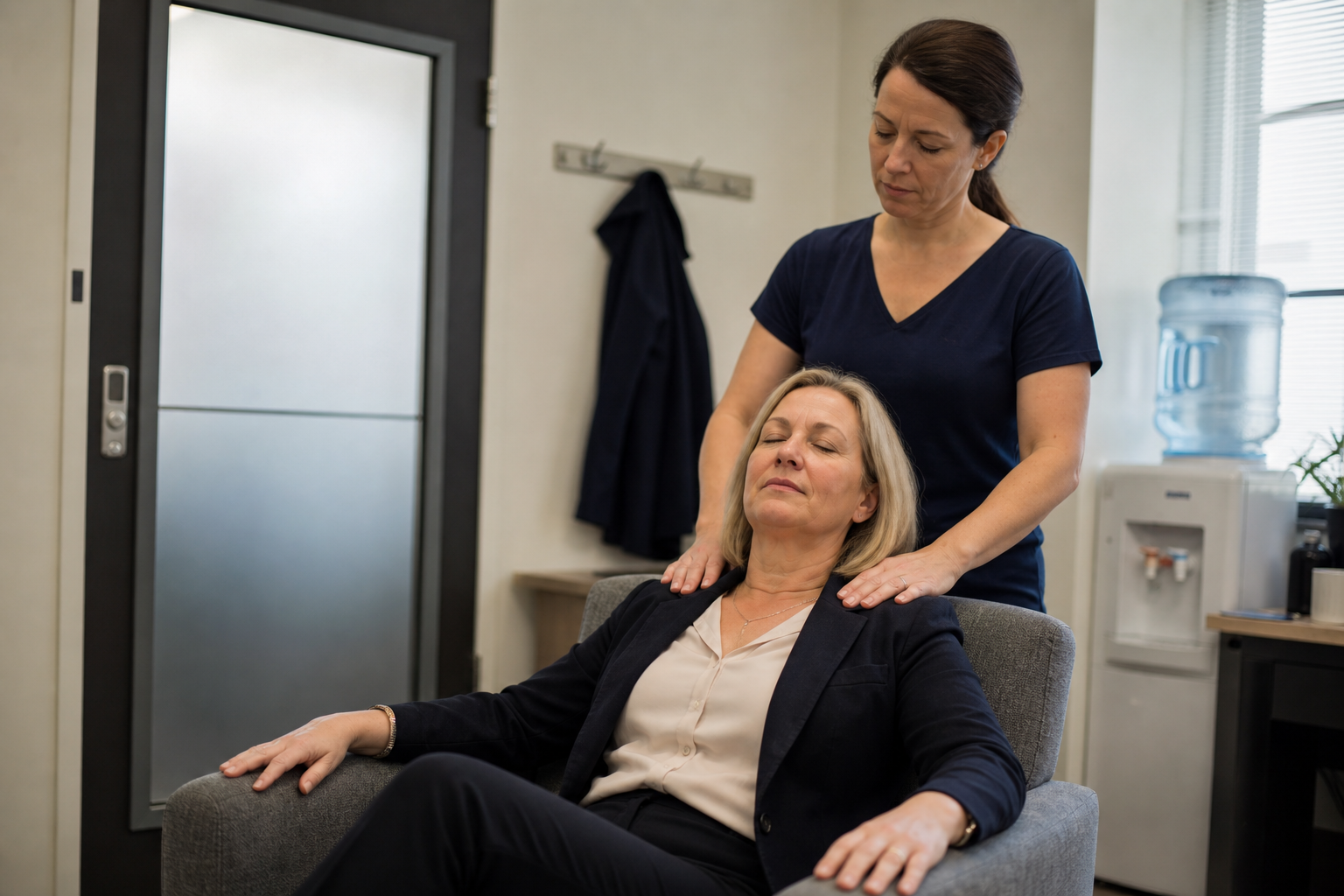
Strip away the language of energy and a Reiki session comes down to four things: you lie or sit still for 30 to 60 minutes, you are touched lightly or not at all, someone pays attention only to you, and you are expected to do nothing. Those four things are the mechanism behind every benefit people report. The NCCIH overview of Reiki finds no evidence for the energy explanation and no clear health benefit, but it does not dispute that people feel calmer afterwards. Knowing that the rest and attention are the active ingredients lets you judge, situation by situation, whether they are what you need. Reiki benefits covers the general picture; this article is about fit.
Six situations where Reiki tends to help
-
Burnout and overload. If you are running on empty, a fixed weekly appointment where you are required to do nothing is valuable in itself. Reiki is one of the few appointments where lying still is the whole task. It will not fix the workload, but it can interrupt the pattern long enough to think about it.
-
The days before surgery or a difficult procedure. Pre-surgical anxiety is normal and unpleasant. A calm session in the week before can help you sleep and feel steadier, and some hospitals offer volunteer Reiki for exactly this reason. It does not change surgical outcomes; it can change how the waiting feels.
-
Living with a long-term illness, alongside treatment. When you are already under medical care, a regular hour where nobody examines, measures or treats you can be a relief. Tell your care team, keep every appointment, and use Reiki as the part of the week that asks nothing of you.
-
Grief and loss. Grief is not an illness and Reiki is not a therapy for it, but being quietly attended to by someone who does not need you to talk is something many bereaved people find comforting. Counselling remains the right place for the grief itself.
-
Difficulty switching off. If meditation apps and breathing exercises never quite land because you cannot stop managing them, having someone else hold the structure can work better. Reiki is meditation with the effort outsourced.
-
Wanting a gentle daily practice. Self-Reiki is a ten-minute routine of light hands and slow breath that many people find easier to keep than formal meditation. How to do Reiki gives the routine.
Five situations where it does not help
- An unexplained symptom. Pain, fatigue, dizziness, digestive trouble or anything new and persistent needs examination first. Reiki can wait; a diagnosis cannot. “It feels like an energy block” is not a finding.
- A mental-health crisis. If you are in crisis, cannot function, or are having thoughts of harming yourself, contact emergency services or a crisis line today. Reiki is not a crisis service and a practitioner is not a clinician.
- Anything you want fixed. Reiki does not treat conditions. If the reason you are booking is to make something go away, you will be disappointed and out of pocket.
- As a reason to stop treatment. No session justifies stopping a medication, skipping a scan or cancelling therapy. A practitioner who suggests otherwise is one to walk away from.
- When you dislike being still or touched. Some people find lying still with a stranger’s hands nearby stressful rather than calming. A walk or a swim would help them more, and that is fine.
A closer look at the stress explanation
Reiki articles often say that a session moves the body from “fight or flight” into “rest and digest”, lowering heart rate and stress hormones. There is something to this, but not as a special property of Reiki. Lying quietly in a warm room for an hour lowers heart rate and breathing in most people, whether the hour is Reiki, a massage, a nap or a slow bath. Small studies that measured heart rate during Reiki have found it slows, which is what you would expect from rest. The useful takeaway is not that Reiki has a mechanism medicine lacks; it is that any reliable hour of rest is good for a stressed body, and Reiki is one way to make that hour happen on schedule.
A caution some people need. A few people find that lying still with attention on their body brings up anxiety or difficult memories rather than calm, particularly if they have experienced trauma. That is a known reaction to many stillness practices, not a sign of anything “clearing”. If it happens, stop, tell the practitioner, and mention it to a therapist. If you already know you react this way, discuss Reiki with your clinician before booking and choose hands-off contact.
How to fit Reiki alongside your care
| If you are… | A reasonable way to use Reiki | What stays with your care team |
|---|---|---|
| Receiving cancer treatment | Short sessions in the week, hands-off over treated areas, as scheduled rest | All treatment decisions; report any new symptom |
| Managing a chronic pain condition | A calm hour that does not press on painful areas | Pain management plan, medication, physiotherapy |
| In therapy for anxiety or depression | A relaxation practice you mention to your therapist | Therapy, medication, safety planning |
| Pregnant | Gentle or hands-off sessions, no pressure on the abdomen | Midwife or obstetric care; tell them you are having Reiki |
| Recovering from surgery | Hands-off or away from the site, once your surgeon is happy for you to lie flat | Wound care, follow-up, rehabilitation |
The Reiki safety guide sets out the boundaries in more detail, and what happens in a Reiki session describes the intake conversation where you tell the practitioner about your situation.
Choosing a practitioner for your situation
Reiki is unregulated in most countries. Certificates from online courses are easy to obtain, and membership of a professional association is a sign of commitment rather than a guarantee. The questions that matter are practical: what training and insurance they have, whether they offer hands-off contact, how they describe what Reiki can and cannot do, and whether they are comfortable working alongside your care team rather than instead of it. If you are ill, a practitioner with hospice or hospital volunteering experience will understand the boundaries without being told. Reiki for beginners lists the good signs and warning signs when choosing a teacher; the same list works for practitioners.
Key Takeaways
- Reiki helps by providing rest, light touch and attention on a schedule; that is the whole mechanism.
- It fits burnout, pre-surgery nerves, long illness alongside care, grief, trouble switching off, and a daily practice.
- It does not fit unexplained symptoms, crises, anything you want fixed, or as a reason to stop treatment.
- The stress-reduction effect is real but not unique to Reiki; any reliable hour of rest does it.
- Tell your care team, keep every appointment, and choose a practitioner who is comfortable working alongside them.
Related reading
- Reiki benefits: what people report and what the evidence supports
- Understanding Reiki: history, principles and what a session involves
- What does research say about Reiki?
- Reiki and depression: evidence, comfort and care choices
- Mind-body approaches in therapy: evidence and safety
Frequently Asked Questions
1. How can Reiki help me?
By giving you a scheduled hour of rest, light or no touch, and someone’s full attention. Those are the active ingredients behind the calm people report.
2. Can Reiki help with stress?
Most people feel calmer after a session, as they would after any reliable hour of rest. It is not a treatment for a stress-related condition.
3. Can Reiki help with burnout?
A fixed weekly hour where you are required to do nothing can interrupt the pattern. It will not fix the workload, which needs a different conversation.
4. Can Reiki help before surgery?
A calm session in the days before can ease the waiting and help you sleep. It does not affect the surgery itself.
5. Can Reiki help with cancer or chronic illness?
Only as scheduled rest alongside treatment. Tell your care team, keep every appointment, and never use Reiki instead of any part of your care.
6. Can Reiki help with grief?
Being quietly attended to can be comforting. The grief itself is better supported by counselling and people who know you.
7. Can Reiki help with anxiety or depression?
It can be a relaxation practice you mention to your therapist. It is not a treatment for either, and a crisis needs emergency support, not a session.
8. Does Reiki lower heart rate and stress hormones?
Resting quietly for an hour lowers heart rate in most people, and small studies of Reiki show the same. That is the effect of rest, not a special property of Reiki.
9. Can Reiki help with an unexplained symptom?
No. New, persistent or worsening symptoms need a clinician first. Reiki can wait; a diagnosis cannot.
10. Can Reiki make anxiety worse?
For some people, lying still with attention on the body brings up anxiety or difficult memories. If that is you, stop, tell the practitioner, and discuss it with a therapist before trying again.
11. Is Reiki safe during pregnancy?
Gentle or hands-off sessions are generally considered low-risk. Tell your midwife and avoid pressure on the abdomen.
12. Should I tell my doctor I am having Reiki?
Yes. Most clinicians are happy for you to have a relaxation practice alongside treatment and will want to know about anything that might affect your care.
13. Is Reiki covered by insurance?
Usually not. Some hospitals and hospices offer it free through volunteer programmes; otherwise expect to pay per session.
14. How do I choose a practitioner if I am ill?
Look for training, insurance, a hands-off option, honest language about limits, and ideally hospital or hospice experience. Avoid anyone who suggests Reiki instead of treatment.
15. Would a nap or a walk help just as much?
For rest alone, often yes, and they are free. What Reiki adds is structure and another person’s attention, which some people need in order to actually stop.
Final thoughts
Reiki can help you if what you need is rest, gentle contact and someone’s undivided attention on a day and time you will actually keep. It cannot help you if what you need is a diagnosis, a treatment or a cure, and no honest practitioner will tell you otherwise. Match the practice to the situation, keep your care team informed, and Reiki can be a steady, modest part of a hard stretch without ever pretending to be more.
Evidence statements checked against the NCCIH Reiki overview on 26 September 2026.
‘Reiki can help with work burnout’? I guess my boss should hire a Reiki master instead of offering raises or better working conditions. 😂
While the article is thorough, it fails to provide concrete scientific evidence supporting Reiki’s effectiveness. Without empirical data, it’s hard to take these claims seriously.
(Insert eye roll here) So, you’re telling me that waving hands around can solve all my problems? Next, you’ll say it cures baldness too.
The explanation of biofields and energy particles was fascinating! Even though it’s not fully backed by science, the concept is intriguing and worth exploring further.
‘Life force energy’? Really? This article feels like it’s pushing pseudoscience more than providing factual information.
I found this article to be incredibly informative and enlightening. It sheds light on the origins and potential benefits of Reiki, especially in reducing stress and aiding relaxation. Thank you for such a detailed write-up!