

Short answer
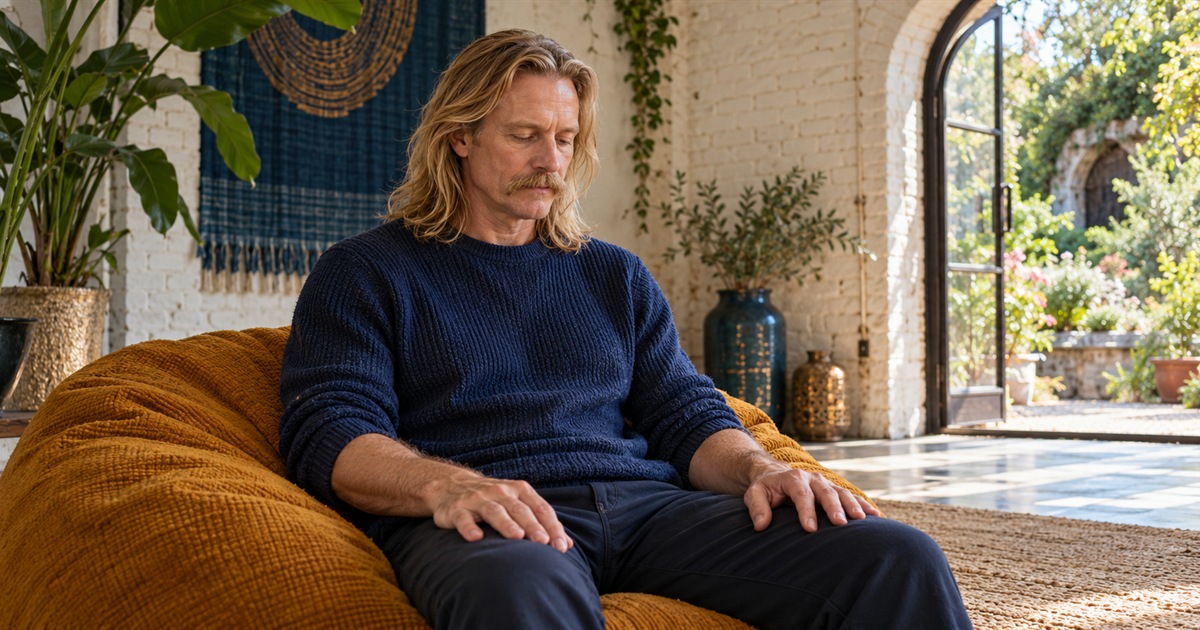
Using Reiki to “clear your mind” can mean setting aside a quiet period with your hands resting lightly on or near your body. Some people find that pause restful; mental quiet is not guaranteed. Twenty minutes is an optional routine length, not a proven dose. Reiki’s energy explanation is a spiritual belief, not an established mechanism: NCCIH’s Reiki overview reports inconsistent research and no scientific evidence for the proposed energy field. A session does not establish that blockages, negative energy or spirit contact are real.
Read the full routine
Explore an adaptable self-Reiki sequence, comfort precautions and the limits of what a session can tell you.
The sequence, in brief
- Settle comfortably. Sit or lie in a supported position. Let your breathing stay natural; there is no need to force slow breaths or hold them. Keep your eyes open if that feels better.
- Choose gentle, reachable positions. Rest your hands on your lap or another comfortable area, or hold them nearby. Change positions only if you want to. Skip painful areas and avoid pressure on the eyes or throat. You do not have to complete ten positions or remain still for twenty minutes.
- Notice without diagnosing. Warmth, tingling, distraction or relaxation do not identify a blockage or prove healing. Stop if you feel uncomfortable or distressed. Persistent or concerning symptoms deserve qualified assessment; the Reiki safety guide explains the boundaries.
- Keep expectations modest. You may enjoy a pause, or your thoughts may remain busy. Neither is a spiritual failure. How Reiki works separates the session experience from claims about energy.
Rest is not certification. You need no special initiation to take a quiet break or notice your breathing. Reiki traditions may use attunements and teacher-led instruction; this brief relaxation outline does not confer Reiki training or credentials. Keep any spiritual practice optional and alongside, not instead of, appropriate care.
Frequently Asked Questions
1. Does Reiki reliably clear your mind?
No. Some people find a quiet session restful, while others notice little change. Reiki has not been clearly shown to treat anxiety, depression or other health conditions, and feeling calmer does not demonstrate an energy transfer.
2. Do I need an attunement to take a quiet rest?
No special initiation is needed to sit comfortably, rest your hands or notice your breathing. Reiki traditions may require attunement and instruction for their own practice; an ordinary relaxation pause is not the same as completing Reiki training.
3. Must I use every hand position for twenty minutes?
No. Twenty minutes is an optional routine length, not a proven dose. Use only comfortable positions, avoid pressure on the eyes or throat, and shorten or stop the exercise whenever you need to.
4. Can Reiki replace help for persistent distress?
No. Persistent anxiety, low mood, sleep difficulties or pain deserve appropriate assessment and care. A spiritual or relaxation practice can be optional alongside care, but should not delay treatment or changes recommended by a qualified clinician.
The detailed steps for practicing Reiki on oneself offer a practical guide that can easily be followed. This makes adopting the practice less intimidating for newcomers.
The article provides a comprehensive overview of Reiki therapy and its benefits. It’s intriguing how this practice emphasizes both self-care and the healing of others.
I agree. The step-by-step guide on hand placements is quite thorough and makes the practice accessible.
Indeed, the detailed instructions for self-practice are especially useful for beginners looking to explore this form of therapy.
Reiki’s approach to alleviating stress and anxiety through energy flow is quite fascinating. It’s a holistic method worth considering for mental and physical well-being.
While the article highlights many benefits of Reiki, it would be helpful to see references to scientific studies or testimonials that support these claims.
The historical context provided about Mikao Usui and the origins of Reiki adds depth to understanding this practice. I appreciate the connection to spiritual and energy healing.
Yes, the background information gives a solid foundation and helps in appreciating the practice’s roots and its development.
It’s interesting how Reiki is portrayed as a method to clear chakra blockages and promote overall well-being. The connection to energy flow and health is an intriguing concept.