

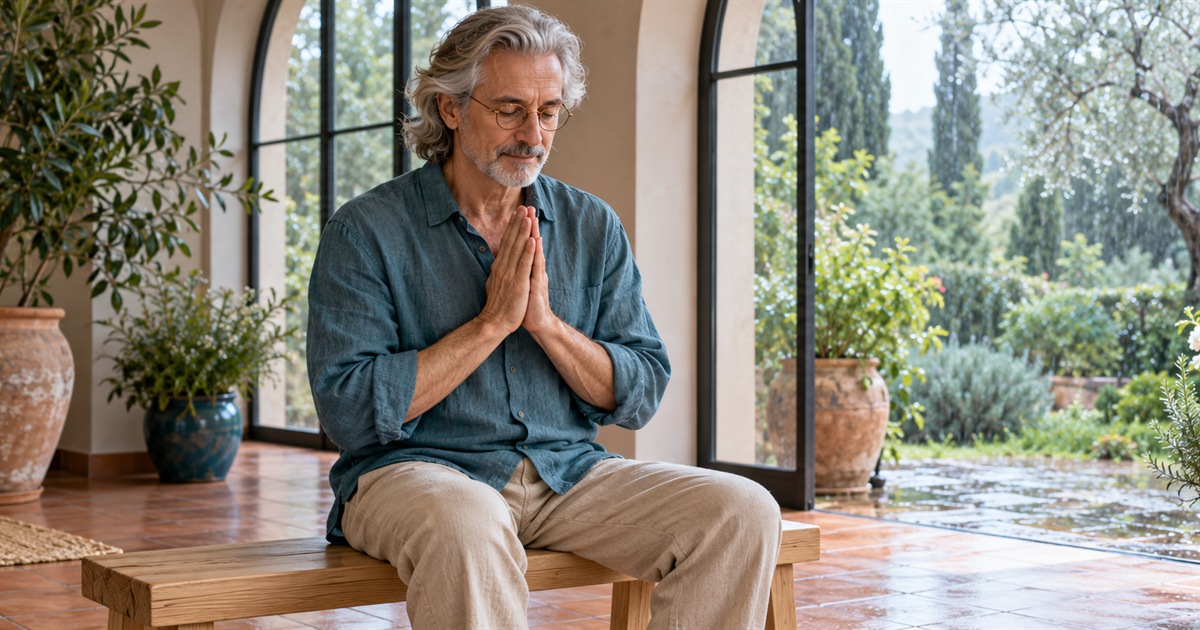
Short answer
“Mindful Reiki” can describe bringing gentle, present-moment attention to a Reiki session or self-practice. It is one way to approach the experience, not a definition of all Reiki or proof of a healing mechanism. Gassho and joshin kokyu ho may include meditative attention and breathing imagery, with teachings that vary by lineage. No calm feeling or health outcome is guaranteed.
Read the practices step by step
Explore Gassho and joshin kokyu ho with comfortable adaptations, optional imagery and clear distinctions between traditional explanations and evidence.
Japanese Reiki Techniques: Gassho and Joshin Kokyu Ho, Step by Step
Bringing attention to a Reiki practice
- During self-Reiki, you might notice where your hands rest and any sensations, without trying to produce heat, energy or a particular feeling. Touch, hand positions and duration can be adapted or omitted. How to do Reiki introduces a routine; it is not a required sequence.
- During a session with someone else, agree on touch and boundaries beforehand. A guided setting may suit some people, while others prefer being alone or choosing a different activity. You can change your mind or stop at any point.
- For the distinction between personal practices and approaches used in clinical care, see mind-body approaches in therapy. Evidence about one approach should not be transferred to another.
A brief, optional way to begin
Choose a supported position and keep your eyes open or closed as comfortable. Notice a neutral detail, such as a sound in the room or the contact of your feet with the floor. Breathing can remain ordinary: no forced depth, deliberate holds or fixed timing is needed. If thoughts wander, simply notice that; an empty mind is not the goal.
Keep the practice brief if you wish. If body or breath attention brings distress, dizziness or discomfort, stop and return to your surroundings. There is no need to endure symptoms or interpret them as a release of energy. Seek appropriate professional help for persistent or concerning symptoms.
What this framing does not establish
Quiet attention does not verify Reiki’s proposed energy mechanism or make Reiki a treatment for illness. NCCIH’s Reiki overview describes uncertain health evidence and no scientific support for the proposed energy field. Its mindfulness overview also notes research limitations and possible negative experiences. Neither practice should delay medical or mental health care.
Frequently asked questions
Is mindful Reiki the same as mindfulness meditation?
Not necessarily. A Reiki session may include present-moment attention, but Reiki also has its own teachings and practices. Evidence about a particular mindfulness program does not establish that Reiki has the same effects.
Do I need to believe in Reiki energy to try quiet attention?
You can notice your surroundings or body sensations without adopting an energy explanation. Reiki energy remains a spiritual concept, not a scientifically established mechanism.
Should I slow or deepen my breathing?
No particular breathing pattern is required for this brief approach. Let breathing remain ordinary and comfortable; do not force deep breaths or hold your breath. Choose another focus or stop if attention to breathing feels uncomfortable.
Can mindful Reiki replace medical or mental health care?
No. Reiki has not been clearly established as effective for a health condition. Keep appropriate professional care, and seek support if a practice causes persistent distress or worsens symptoms.
The mention of receiving images or dreams during a session is quite fascinating. It seems Reiki can offer a multi-faceted experience beyond just physical relaxation.
The detailed explanation of the chakra centers adds a lot of depth to understanding Reiki. It’s interesting how it connects various levels of well-being.
Providing clients with a chart of chakra centers is a great idea. It empowers them to become more involved in their own healing process.
The anecdote about the husband’s dental surgery highlights how subjective Reiki experiences can be. It emphasizes the need for communication between the practitioner and the client.
The concept of being aware of additional ‘helpers’ during a session is intriguing. This aspect of Reiki could be quite comforting for many clients.
It’s beneficial to know that different sensations like heat or cold can have specific meanings in Reiki. This detailed observation adds a layer of understanding to the practice.